Automatic vs. Quartz Watches: Which Should You Buy?
The most fundamental choice when buying a watch is the movement inside it. We break down the pros, cons, and nuances of automatic and quartz movements to help you decide.
When you decide to purchase a quality watch, you will immediately be confronted with a choice that divides the entire watch-collecting community: Should you buy an automatic watch or a quartz watch?
At first glance, both tell the time. However, the technology powering them is vastly different, and the choice you make says a lot about what you value in a timepiece. Understanding the difference between these two movements is the fundamental first step in building a respectable watch collection.
Here is the definitive guide to automatic versus quartz movements, the pros and cons of each, and how to decide which one belongs on your wrist.
What is a Quartz Watch?
Introduced in the late 1960s, quartz technology revolutionized (and nearly destroyed) the traditional watch industry. A quartz watch is battery-powered. The battery sends an electrical current through a small quartz crystal, causing it to vibrate at a precise frequency (usually 32,768 times per second). A microchip counts these vibrations and translates them into a single, ticking motion of the second hand once per second.
The Pros of Quartz
- Unbeatable Accuracy: Because of the high frequency of the vibrating crystal, quartz watches are staggeringly accurate. A standard quartz watch will gain or lose perhaps 10 to 15 seconds a month.
- Low Maintenance: There are no gears to oil or mainsprings to wind. You simply put it on and forget about it. The only maintenance required is a battery change every 2 to 3 years.
- Durability: With very few moving parts, quartz watches are incredibly robust. They can survive drops, intense vibrations, and sports like golf or tennis without breaking a sweat.
- Affordability: Quartz movements are mass-produced by machines very cheaply, meaning you can get an excellent quartz watch for under $100.
The Cons of Quartz
- The “Tick”: The second hand on a quartz watch ticks exactly once per second, stopping abruptly between seconds. Many watch purists find this jarring and lacking in aesthetic grace.
- Lack of Craftsmanship: Because they are battery-powered and driven by a microchip, quartz watches often lack the “soul” and artisanal craftsmanship of traditional watchmaking.
What is an Automatic Watch?
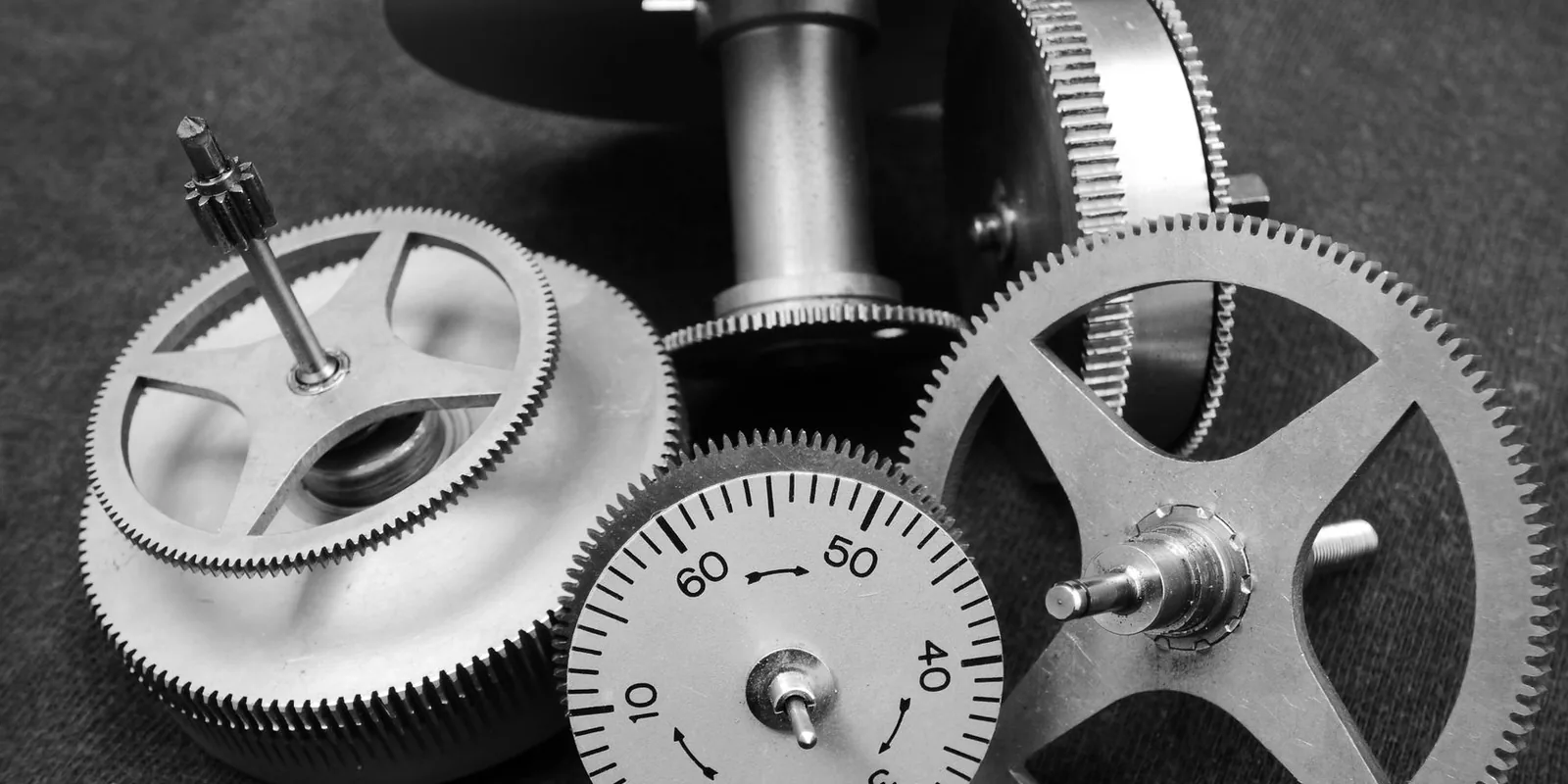
An automatic watch (also known as a self-winding mechanical watch) operates entirely without electricity or batteries. Instead, it is powered by a coiled mainspring. As this spring slowly uncoils, it releases energy through a complex series of tiny gears and escapements that move the hands.
The “automatic” part comes from a weighted rotor on the back of the movement. As you move your arm throughout the day, this rotor spins freely, automatically winding the mainspring and keeping the watch powered.
The Pros of Automatic
- The Sweeping Second Hand: Because the escapement releases energy rapidly (often 6 to 8 times per second), the second hand on an automatic watch appears to “sweep” smoothly across the dial rather than ticking. It is mesmerizing to watch.
- Horological Romance: There is a profound romantic appeal to wearing a machine on your wrist that is powered entirely by your own physical movement. It represents centuries of engineering and micro-mechanical craftsmanship.
- Longevity: A high-quality automatic watch, if serviced properly every 5 to 7 years, can easily outlive you and be passed down to the next generation as an heirloom.
The Cons of Automatic
- Lower Accuracy: Even a COSC-certified luxury automatic watch from Rolex or Omega is only accurate to roughly -2/+2 seconds a day. A cheap automatic watch might gain or lose 15 seconds a day.
- High Maintenance: If you take an automatic watch off for a couple of days, the power reserve will run out, and the watch will stop. You must manually wind it and reset the time and date before wearing it again. They also require expensive servicing by a watchmaker every few years.
- Fragility: A mechanical movement contains hundreds of microscopic parts. Dropping the watch on a hard floor or wearing it while using a jackhammer can easily break a pivot or throw off the calibration.
Which Should You Buy?
If your priority is strict, utilitarian timekeeping, buy a quartz watch. They are cheaper, significantly more accurate, and require zero thought to maintain. They are perfect for rugged activities, manual labor, or for men who only wear a watch occasionally and want it to be perfectly set when they pick it up.
However, if you view a watch as a piece of art, a mechanical marvel, or a potential heirloom, buy an automatic watch. While they require more care and are technically less accurate, they offer a connection to traditional craftsmanship that a battery-operated watch simply cannot match. For enthusiasts, the smooth sweep of the second hand and the intricate engineering inside an automatic watch make the inconveniences completely worth it.