How to Buy Your First Vintage Watch (Without Getting Scammed)
Buying a vintage watch is thrilling, but it's fraught with danger for the uninitiated. Learn what to look for, what red flags to avoid, and how to make a safe purchase.
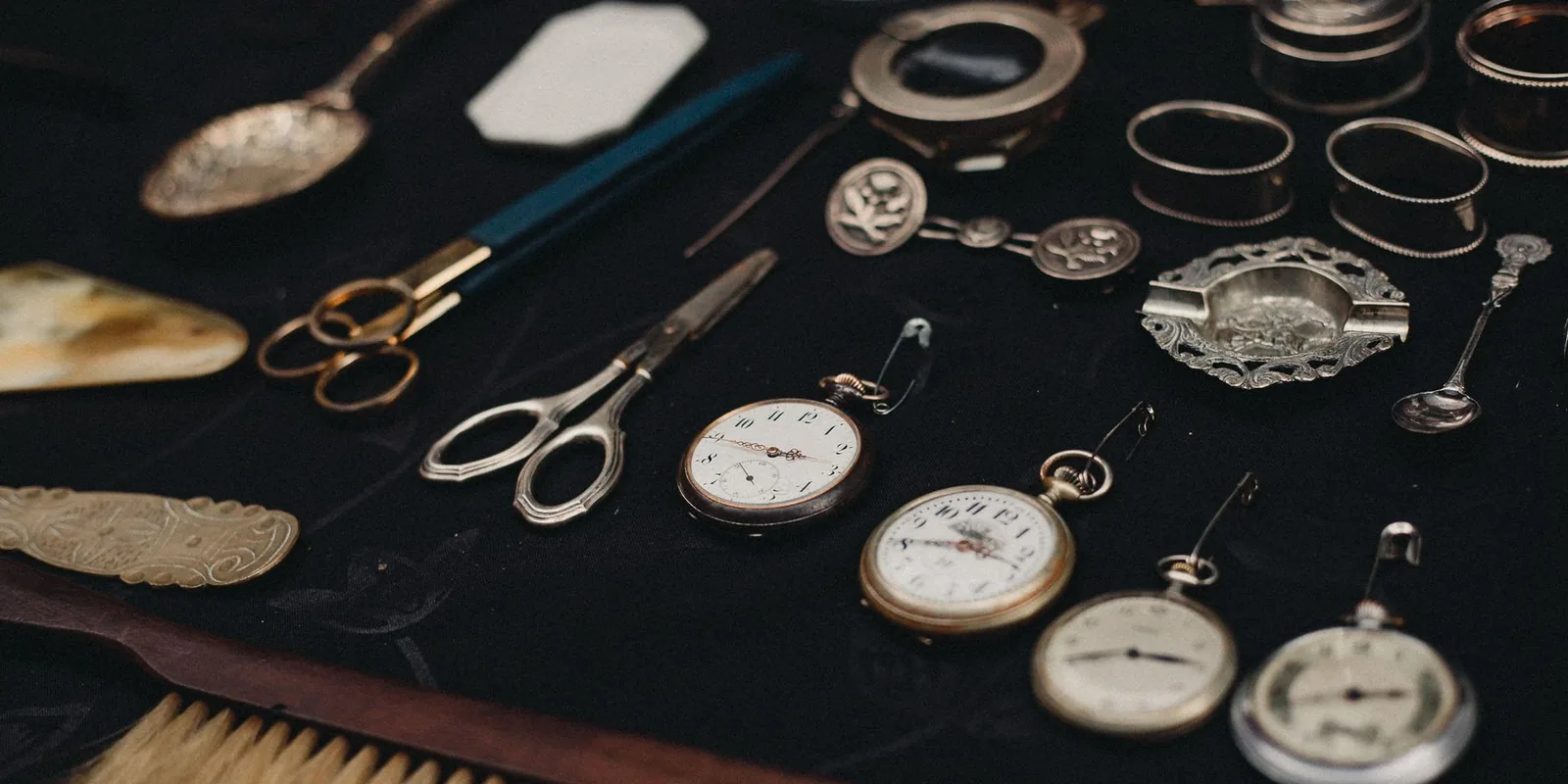
Stepping into the world of vintage watches is like stepping into a minefield. On one side, you have the thrill of acquiring a piece of mechanical history with genuine patina, unique character, and a story to tell. On the other side, you have a notoriously unregulated secondary market filled with “Frankenwatches,” undisclosed replacement parts, polished cases, and outright counterfeits.
If you are preparing to buy your first vintage watch—whether it is an affordable vintage Seiko or a highly collectible Rolex Datejust from the 1970s—you need to arm yourself with knowledge. The old adage in the vintage watch community is: “Buy the seller, not the watch.”
Here is your comprehensive guide to buying your first vintage watch without getting scammed, burned, or left with a massive repair bill.
1. Buy the Seller, Not the Watch
This cannot be overstated. When you are buying a vintage watch, you are putting your absolute trust in the person selling it to you. An unethical seller can easily hide internal water damage or lie about the service history.
Where to buy safely:
- Reputable Dealers: Establish a relationship with well-known vintage dealers (like Crown & Caliber, Bob’s Watches, Analog:Shift, or reputable local jewelers). You will pay a premium, but you are paying for authentication and peace of mind.
- Dedicated Forums: Communities like Rolex Forums or WatchUSeek have dedicated sales corners. Look for sellers with hundreds of posts, established histories, and excellent feedback.
- Chrono24: If you use Chrono24, ensure you use their Escrow service. Do not wire money directly to an unverified private seller.
Where to avoid (for beginners):
- eBay: Unless the seller has a massive rating and accepts returns, eBay is incredibly risky for a beginner.
- Flea Markets / Estate Sales: While you can find treasures, you can also easily buy a broken watch that costs more to fix than it is worth.
2. Beware the “Frankenwatch”
A “Frankenwatch” is a vintage watch pieced together using parts from different watches, or worse, aftermarket counterfeit parts. A seller might take the dial from a 1960s Omega, put it in a 1970s case, and use modern hands.
To avoid this, you must do your homework. Once you find a reference number you want to buy, go online and look at dozens of high-resolution photos of that exact reference.
- Are the hands the correct shape?
- Is the font on the dial correct?
- Does the serial number on the movement match the production era of the case?
If anything looks slightly “off” or too modern compared to the rest of the watch, walk away.
3. Understand “Patina” vs. Damage
In the vintage watch world, “patina” is highly desirable. Patina refers to the natural aging of the watch. This includes the luminous material on the dial turning a creamy yellow or brown (often called “tropical”), or the bezel fading to a ghost-grey.
However, there is a massive difference between natural patina and actual damage.
- Good: Even, consistent fading or color shifting.
- Bad: Water damage. If you see dark spotting on the dial, rust on the hands, or bubbling, that means moisture entered the case. Moisture destroys mechanical movements. Never buy a vintage watch with visible water damage on the dial, because the movement inside is likely ruined.
4. Ask About Service History
Mechanical watches require servicing (cleaning and re-oiling) every 5 to 7 years. A full service for a vintage Swiss watch can cost anywhere from $300 to over $1,000.
Always ask the seller: “When was this watch last serviced?”
If they say “recently,” ask for the paperwork or receipt. If there is no proof of service, you must assume the watch needs a full service immediately, and you should factor that cost into your purchase price. If a vintage watch is running more than a minute fast or slow per day, it desperately needs a service.
5. Avoid “Over-Polished” Cases
Over the decades, a watch will pick up scratches. Many sellers polish the stainless steel case to make it look shiny and new before selling it.
While a light polish is acceptable to some, aggressive polishing is considered a cardinal sin in the vintage community. Heavy polishing removes metal, softens the sharp geometric edges of the case, and can even polish away the engraved serial numbers. A watch with its original scratches (an “unpolished” case) is almost always more valuable and desirable than a watch that has been polished to a mirror finish. Look closely at the lugs—if they look thin or rounded, the watch has been over-polished.
Final Thoughts
Patience is your greatest weapon when buying a vintage watch. Do not rush into a purchase because you are afraid of missing out on a deal. If a deal looks too good to be true, it almost certainly is. Take your time, do your research, ask questions on forums, and buy from someone you trust. When you finally get that perfect, authentic slice of history on your wrist, the effort will be entirely worth it.